
If the basement in your Toronto home feels more like storage than usable space, and the low ceiling makes renovation seem impossible, what are your options? You’ve probably heard of digging deeper — but is that even possible? Which method do you choose? Underpinning or bench footing? Both are ways to lower your basement floor, but they differ in process, cost, and what you get out of the space long-term. This guide will define what basement underpinning really means, how benching a basement works, and how to decide which approach makes the most sense for your home.
Key Takeaways
What Is Basement Underpinning?
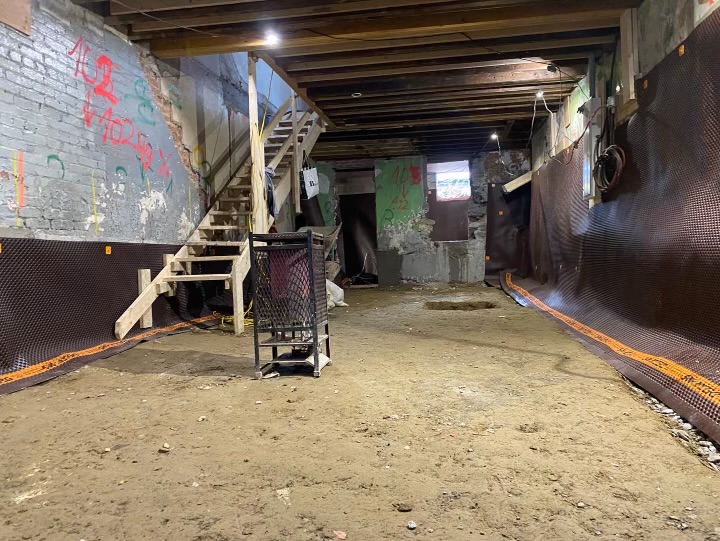
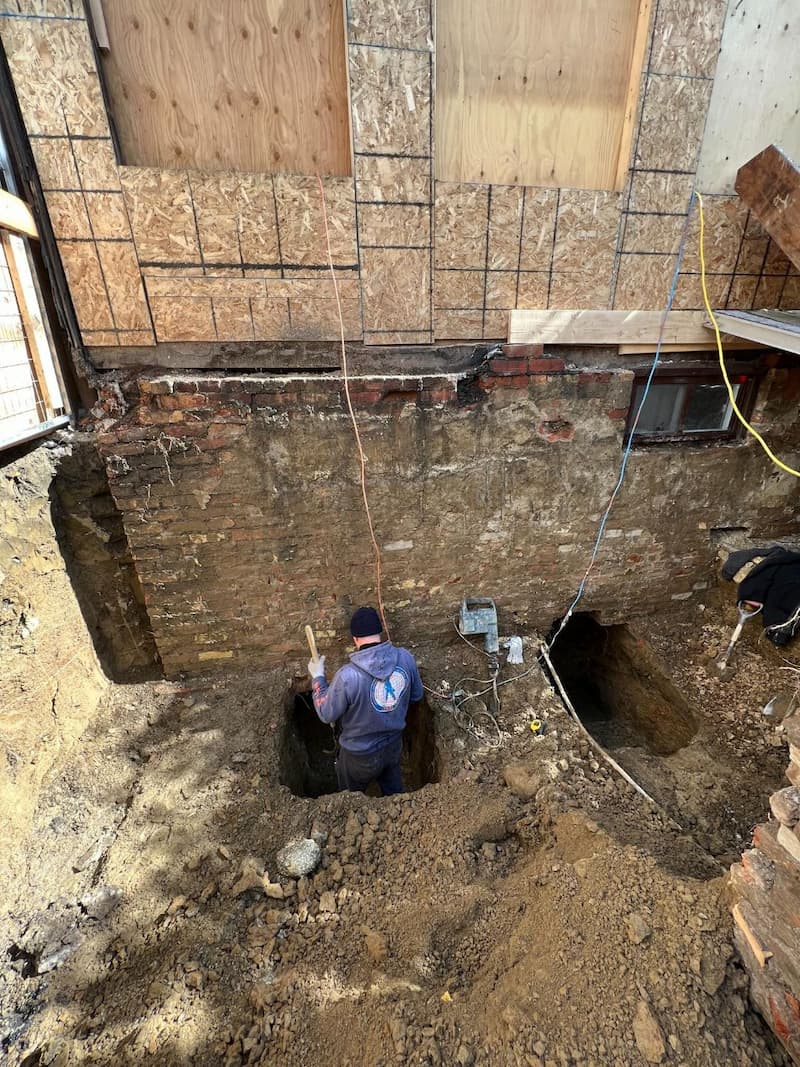
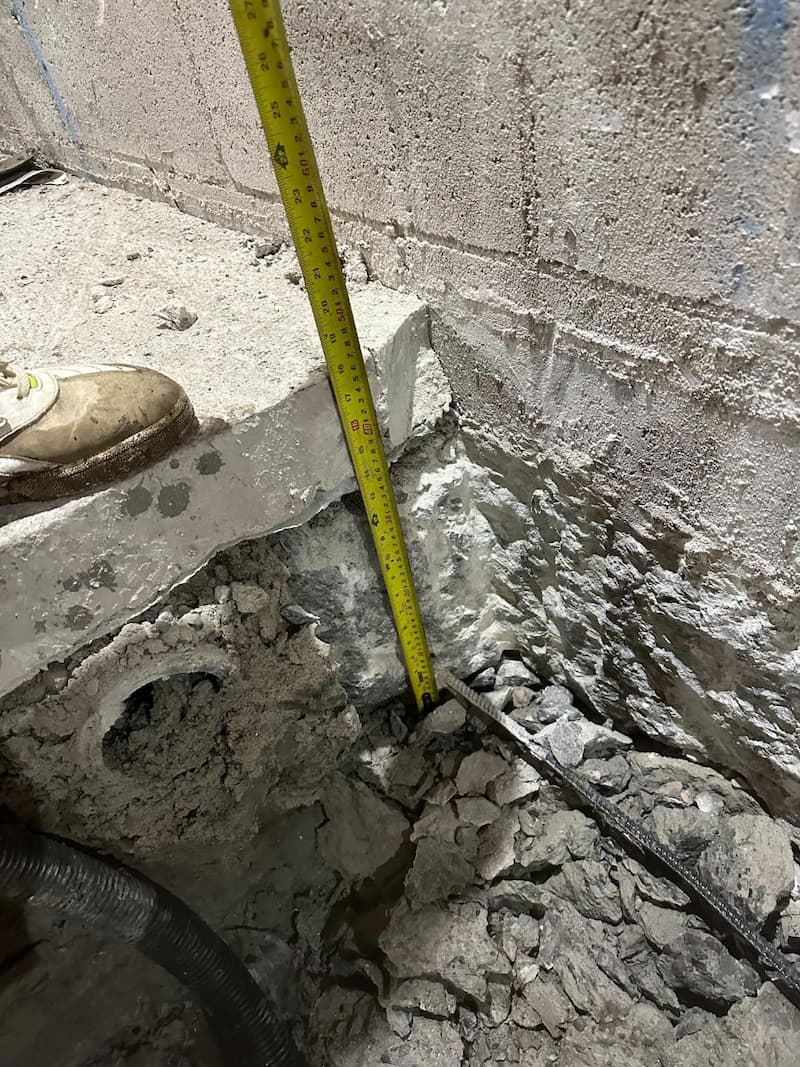
Basement underpinning is a construction method used to lower the basement floor while reinforcing the foundation. It involves digging beneath the existing footings in sections and pouring concrete to extend the structure deeper into the ground up to 3 feet. Over time, the weight of the house shifts onto the new, deeper base.
It is the best option if you want to turn your 7 ft high basement ceiling into a basement with 9 ft high ceilings. The options to create a legal basement apartment or a welcoming family area is more plausible.
What Is Basement Bench Footing?
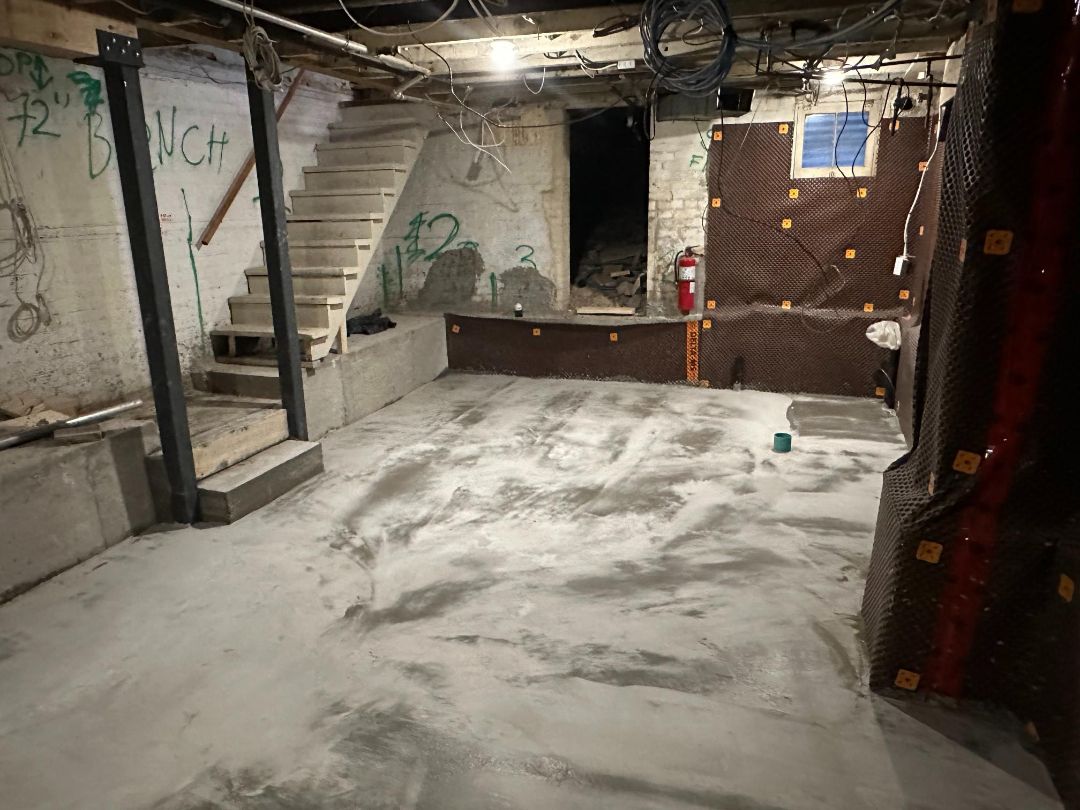
Benching, sometimes called bench footing, is a technique that avoids digging under the foundation. Instead, contractors excavate the center of the basement and pour a raised concrete ledge along the walls.
This ledge supports the existing foundation, allowing the floor to be lowered without structural changes. Benching works best for partial height gains or utility areas where you do not need full-height clearance.
If you ask can you lower a basement floor without underpinning, the answer is yes. However, the space you create will feel different, and not all foundations will qualify for this method.
What’s the Difference Between Bench Footing vs Underpinning
The main difference between bench footing and underpinning lies in where the digging happens and how much space you gain. Underpinning involves digging beneath the foundation to lower the entire floor and reinforce the structure, giving you more ceiling height without losing usable space. Bench footing, on the other hand, lowers only the center of the basement and adds a concrete ledge around the walls to hold up the original foundation. Here is a side-by-side comparison of these methods:
| Feature | Underpinning | Bench Footing |
| Excavation Location | Under footings | Center of floor only |
| Height Gained | 2 to 3 feet | 6 to 12 inches |
| Usable Space | Full basement width retained | Bench ledge reduces floor space |
| Cost Estimate | $70 to $100 per sq. ft. | $50 to $80 per sq. ft. |
| Project Duration | 4 to 8 weeks | 4 to 6 weeks |
| Structural Change | Foundation is reinforced | Foundation remains unchanged |
| Permit Needs | Required with full plans | Usually needed, but simpler |
| Long-Term Value | High, especially for rentals | Moderate, for comfort or utility |
For example, lowering a basement by about 2 feet in a 1,000 to 1,200 square foot Toronto home typically costs between $75,000 and $120,000. That includes excavation, underpinning, waterproofing, drainage systems, and concrete slab work.
How to Lower a Basement Floor Safely
Whether you choose to underpin a basement or create a finished bench footing basement, the process must follow a series of safe, engineered steps:
- Initial Assessment – A structural engineer reviews soil and foundation conditions.
- Permit and Plan Approval – Detailed drawings are submitted to the City of Toronto.
- Excavation – Soil is removed in phases depending on the chosen method.
- Concrete Pouring – Reinforced concrete is added beneath or beside the original footings.
- Waterproofing and Drainage – Sump pumps and weeping tile systems are often installed.
- New Slab Pour – The floor is re-leveled and finished with fresh concrete.
Always hire professional basement underpinning contractors with experience in basement lowering. Cutting corners can lead to structural damage, failed inspections, or safety risks.
Can You Dig a Basement Deeper Without Underpinning?
Yes, but only in specific cases. If your home’s foundation is already deep and stable, benching a basement may be a safe way to lower the floor slightly. However, if the foundation is shallow or the soil is loose, benching could create future risks.
Always consult a structural engineer before you dig the basement deeper, no matter the method. Bench footing offers less disruption, but underpinning offers more height and long-term value.
Underpinning vs Benching: Timeline and Cost Overview
Here is a recap to help compare the two options side by side:
| Aspect | Underpinning | Benching |
| Average Cost | $70 to $100 per sq. ft. | $50 to $80 per sq. ft. |
| Duration | 4 to 8 weeks | 4 to 6 weeks |
| Maximum Height Gain | 2 to 3 feet | 6 to 12 inches |
| Foundation Stability | Improved and reinforced | Remains unchanged |
| Permit Complexity | Higher, with full review | Simpler in most cases |
| Floor Space Retained | Full use of basement area | Bench reduces width |
| Value Added to Home | Significant | Modest |
| Best Use | Livable space or rental | Utility or partial use |
When Should You Choose Underpinning or Benching?
The right basement lowering method depends on your goals. Remember to be transparent about your goals with your contractors.
Choose underpinning if you want full ceiling height, increased property value, or plan to build a legal apartment. Go with benching if you are looking for a more affordable option and can live with less height and some lost space along the walls.
To help you decide, ask yourself:
- Do I want to use the basement as a legal apartment or family room?
- Is my budget flexible for long-term investment?
- Does my current foundation show signs of age or damage?
- Do I want full ceiling height and open layout?
- Will this renovation increase my resale value?
If you answered yes to most of these, underpinning is likely the better long-term solution. If you are mainly after comfort or a functional utility space, benching can be a quicker, more budget-friendly choice.
Final Thoughts
Lowering your basement floor can turn an underused space into something far more functional. Whether you are planning to create a legal rental, a family room, or just want more comfortable headroom, the method you choose makes a difference. If you need maximum height and want to keep your full floor area, underpinning gives you that depth while reinforcing the foundation. If your focus is on cost or timeline and you do not mind losing some space along the walls, benching can still get you noticeable results.
Both methods work. The best approach comes down to how you plan to use the space, your foundation’s condition, and how much you are ready to invest in your home. Contact Basement Underpinning Toronto for a free, no-obligation on-site consultation. Our team specializes in underpinning a basement and bench footing design, helping Toronto homeowners get extra space safely and efficiently.